
Birthday Party Planning Ideas: From First Decision to Party Day
Birthday party planning gets easier when you make the big decisions first. Start with the date, guest list, budget, and party format before buying decorations or sending invitations.A simple plan also gives you time to handle small details without rushing before the party

Birthday Party Planning Ideas for Different Party Sizes
| Party Size | Main Planning Needs | What to Watch |
| Small | Guest list, food, activities, space | Keeping things simple |
| Medium | Venue, food, seating, activities | Headcount and timing |
| Large | Venue, vendors, invitations, schedule | Coordination and extra costs |
The larger the party, the more details need to be confirmed early. A small home gathering may need only a few weeks, while a larger event or popular venue may need more time.
Planning a Small Birthday Gathering
- Choose the date.
- Set a spending limit.
- Make a short guest list.
- Choose home or a small venue.
- Plan the food.
- Pick one or two activities.
- Send simple invitations.
- Prepare a short party schedule.
Small parties don’t need a long checklist. Focus on the things guests will actually use or notice.
Planning a Medium-Sized Party
- Confirm the guest count.
- Compare venue options.
- Set the food plan.
- Book entertainment if needed.
- Order the cake.
- Send invitations.
- Plan activities.
- Arrange seating.
- Prepare a day-of schedule.
A medium-sized party has more moving parts. Confirm the venue, food, and guest count before spending money on smaller details.
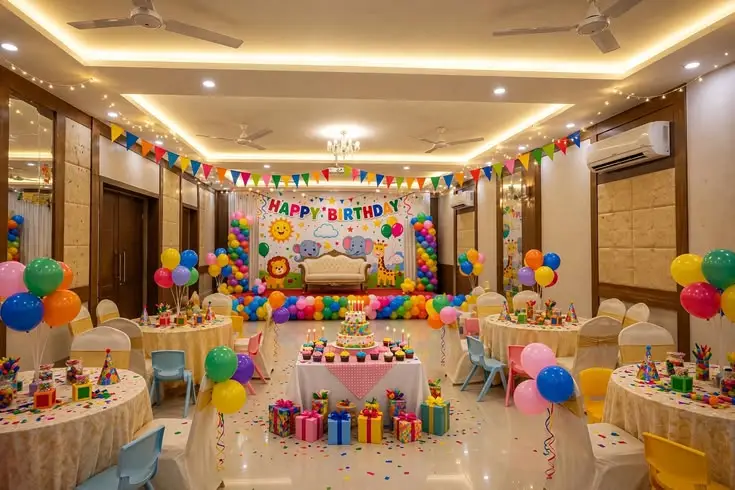
Planning a Large Birthday Event
- Set the guest limit.
- Choose the venue early.
- Build a detailed budget.
- Confirm vendors.
- Send invitations early.
- Track RSVPs.
- Plan food and drinks.
- Arrange seating.
- Create a party schedule.
- Assign helpers.
Large events can take several weeks or months to arrange, especially when guests are traveling or the venue and vendors have limited availability.
Defining the Guest List, Budget, and Party Scope
- Decide who the party is for.
- Set a guest range.
- Set the spending limit.
- Choose the party location.
- Decide how formal the event will be.
- List the main activities.
- Decide what you can skip.
- Keep a small amount aside for unexpected costs.
These decisions affect almost everything else. The guest count can change your venue, food, seating, and total spending.
Setting the Guest-List Range
- Start with the people the birthday person wants there.
- Separate must-invite guests from optional guests.
- Consider the venue capacity.
- Consider family and friend groups.
- Decide whether children need adult guests.
- Set a maximum number.
A rough guest count is enough at the beginning. You can finalize the number after invitations and RSVPs.
Defining the Spending Boundary
- Set a total limit.
- Divide money between major costs.
- Price the venue first if needed.
- Set a food limit.
- Set a decoration limit.
- Set a limit for activities and entertainment.
- Keep a small buffer.
A written spending limit can stop small purchases from adding up. A simple budget also makes it easier to decide which extras are worth keeping.
Setting the Celebration Scope
Decide what kind of party you are actually planning. A simple home gathering needs a different plan from a large event with a venue, catering, entertainment, and rentals.
Keep the main goal clear so extra ideas don’t slowly turn a small party into a much larger project.

Building a Planning Timeline from First Decision to Party Day
| Time | Main Decisions | Key Tasks |
| 6–8 weeks before | Date, budget, guest range, venue | Book major services |
| 3–4 weeks before | Guests, theme, food | Send invitations |
| 2 weeks before | Headcount, activities, supplies | Confirm bookings |
| 1 week before | Final details | Shop and prepare |
| Day before | Setup plan | Prepare food and decorations |
| Party day | Final checks | Set up, host, and clean up |
The exact timing can change with the party size. Current planning guides commonly suggest working backward from party day and handling scarce items such as venues, entertainers, and custom cakes earlier.
Early Planning Decisions
- Choose the date.
- Set the budget.
- Draft the guest list.
- Choose the party format.
- Pick a venue if needed.
- Decide on a theme.
- Check major vendor availability.
These decisions shape the rest of the plan. Lock the things that may become unavailable first.
Mid-Planning Decisions
- Send invitations.
- Order the cake.
- Plan the menu.
- Choose activities.
- Buy decorations.
- Arrange rentals.
- Confirm entertainment.
- Track RSVPs.
This is the stage where the party starts taking shape. Keep a simple list of what has been booked, ordered, or confirmed.
Final Party-Day Checks
- Confirm the final guest count.
- Check the venue or home setup.
- Confirm vendors.
- Pick up the cake.
- Prepare food and drinks.
- Set out decorations.
- Charge your phone.
- Give helpers their tasks.
- Keep the party schedule nearby.
Don’t leave every task for the final morning. Prepare anything you can ahead of time so party day is mostly about setup and hosting.
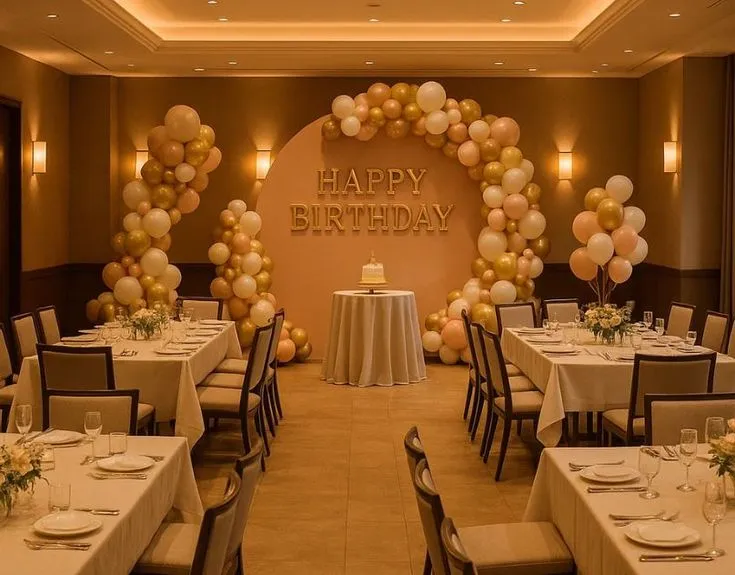
Choosing a Theme, Party Name, and Invitation Direction
- Start with the birthday person’s interests.
- Choose one clear theme direction.
- Match decorations to the theme.
- Keep the theme simple if time is limited.
- Choose a party name that fits the occasion.
- Use the same style on invitations.
The theme does not need to control every part of the party. It can simply guide the colors, invitation, cake, and a few decorations.
Selecting the Theme Direction
Think about the birthday person’s interests, age, and the type of celebration you are planning.
A loose theme can be enough. You don’t need matching decorations for every table, food item, and activity.
Choosing a Party Name
- Use the birthday person’s name.
- Include the age if appropriate.
- Match the party theme.
- Keep it short.
- Make it easy to read on invitations.
A simple name can make the invitation feel more personal without adding extra work.
Aligning Invitation Style with the Celebration
Your invitation should give guests the information they need first. Include the date, start and end time, location, RSVP details, and any special instructions.
For kids’ parties, include information such as drop-off rules, food details, or what children should bring when relevant.

Creating the Party Program and Hosting Checklist
- Set the arrival time.
- Plan the main activity.
- Schedule food or snacks.
- Add cake time.
- Leave room for free time.
- Plan gift opening if needed.
- Set a clear ending time.
- Prepare a backup activity.
A party schedule doesn’t need to control every minute. It should simply help you know what happens next.
Structuring the Party Program
- Guest arrival
- Welcome activity
- Main activity
- Food or snacks
- Birthday moment
- Cake or dessert
- Free time
- Gifts if planned
- Goodbye
Leave some space between activities. Guests may arrive at different times, and some activities can take longer than expected.
Preparing the Host Checklist
- Guest list
- RSVP details
- Venue information
- Food and drinks
- Cake
- Decorations
- Activities
- Music
- Candles and lighter
- First-aid supplies
- Cleanup supplies
- Phone charger
Keep the checklist somewhere easy to reach. You don’t want to search through bags and boxes while guests are arriving.
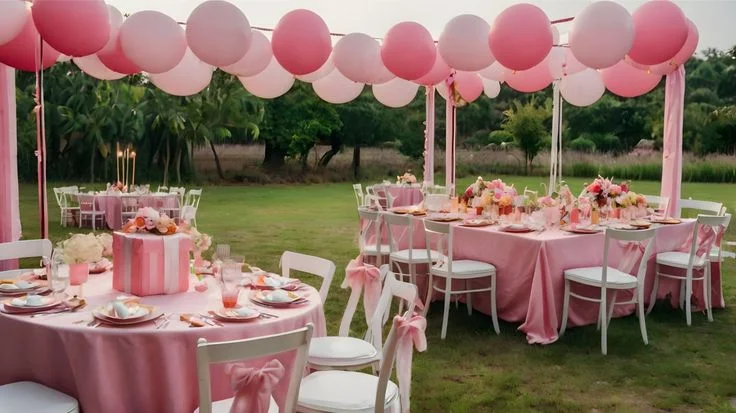
Assigning Responsibilities Before Party Day
- Ask someone to handle photos.
- Give one person the food task.
- Assign a gift-area helper.
- Ask someone to watch the schedule.
- Give a helper the vendor contact information.
- Assign cleanup jobs.
Delegating small jobs lets the host stay with the guests. Everyone doesn’t need a major responsibility; one clear task can be enough
FAQ
Final Thoughts
Good birthday party planning starts with a few clear decisions. Set the guest range, budget, date, and party scope first, then work through the smaller details.
A simple timeline can keep the work manageable and leave you more time to enjoy the actual celebration.
What part of your birthday party would you plan first?
Related Party Guides
- Party ideas – creative themes and inspiration for every celebration.
- Birthday party venues – compare venue types, costs, and booking policies.
- Birthday party activities – games and entertainment matched to your party timeline.
- Family birthday ideas – intimate themes and traditions for family gatherings.
Start by choosing from birthday party venues that fit your guest list. Plan the entertainment with fun activities for birthday parties, and if you’re celebrating at home, see birthday party ideas at home for setup tips.